Seedream 5.0 Lite vs. Nano Banana 2: A Complete AI Image Generator Comparison
By None None
Published: April 14, 2026
12 min read
Tags: Seedream 5.0 Lite, Nano Banana 2, AI image generator comparison, text to image AI, image to image AI, ByteDance AI, Google AI image, AI art generator, AI Compare Hub, best AI image generator 2025
Category: AI Tools & Models
Every week I test new image generation models, and the pattern that keeps repeating itself is this: the best output rarely comes from a single model. It comes from knowing which model to reach for based on what you’re trying to build.
Two models that have caught serious attention from AI creators lately are Seedream 5.0 Lite from ByteDance and Nano Banana 2 from Google. Both are positioned as capable, versatile image generators, but they take fundamentally different approaches to image generation — and those differences become very visible when you put them side by side across a range of creative tasks.
In this article, I ran both models through seven text-to-image themes and four image-to-image transformation challenges using AI Compare Hub’s multi-model workspace. I’ll walk through the results, explain what makes each model stand out, and help you figure out which one fits your workflow.
What Is Seedream 5.0 Lite?
Seedream 5.0 Lite is ByteDance’s latest image generation model, built on the same foundation as the flagship Seedream 5 but optimized for efficiency and predictable cost. It combines visual reasoning with real-time web search — a combination that distinguishes it from most competitors at this price tier.
Key capabilities:
- Chain of Thought visual reasoning: Seedream 5.0 Lite reasons through multi-layered prompts before generating — coordinating objects, lighting, spatial relationships, and context in a structured way. This makes it noticeably stronger than standard diffusion models when prompts require interpretive depth rather than literal translation.
- Real-time web search integration: The model connects to live web search during generation, allowing it to reference current events, real-world subjects, and recent visual trends.
- 99%+ bilingual text accuracy: Seedream 5.0 Lite achieves over 99% accuracy when rendering text in both English and Chinese — a meaningful advantage for multilingual design work.
- Multi-reference input: Supports up to 14 reference images simultaneously.
- Output resolution: Generates natively at 2K or 3K (up to 3072px), with 8 aspect ratio options ranging from 1:1 to 21:9.
- Pricing structure: A flat per-image rate for both T2I and I2I operations. Generally 30–70% more affordable than Nano Banana 2 depending on the resolution tier selected.
ByteDance’s official documentation notes that Seedream 5.0 Lite is positioned as a lightweight version with some acknowledged trade-offs: structural text stability and extreme photorealism still have room to improve. However, the addition of real-time web search and deep reasoning represents a meaningful capability step absent in most competing models at this price point.
What Is Nano Banana 2?
Nano Banana 2 is Google’s image generation model engineered for real-world factual grounding, meticulous output detail, and a flexible resolution range.
Key capabilities:
- Google Search grounding: Nano Banana 2 pulls from Google Web Search during generation, producing contextually accurate outputs for prompts referencing current events or real-world subjects.
- Google Image Search grounding: Also supports Google Image Search as an additional visual reference layer. When web search is enabled, image search activates automatically.
- Multi-reference input: Supports up to 14 reference images for style transfer, character consistency, and complex multi-subject editing.
- Tiered resolution output: Generates across four resolution tiers: 0.5K, 1K, 2K, and 4K — with 10 supported aspect ratios including a
match_input_imageoption. - Multilingual text rendering: Renders text accurately across 100+ languages.
- Pricing structure: Tiered by resolution. At equivalent resolutions, Nano Banana 2 is generally more expensive than Seedream 5.0 Lite — the gap ranges from roughly 30% at lower tiers to 70% or more at higher tiers.
According to Google’s official API documentation, Nano Banana 2 represents a significant upgrade in factual grounding, character fidelity, and resolution flexibility. At higher resolution tiers, the cost premium over Seedream 5.0 Lite can be significant.
Key Parameter Ranges and Cost
Seedream 5.0 Lite uses a flat per-image rate with two resolution options: 2K and 3K. Nano Banana 2 uses a tiered model — four tiers from 0.5K up to 4K. Across equivalent resolutions, Seedream 5.0 Lite is generally 30–70% more affordable, with the gap widening at higher tiers. Both models support up to 14 reference images.
| Feature | Seedream 5.0 Lite | Nano Banana 2 |
|---|---|---|
| Developer | ByteDance | |
| Relative cost | Flat rate — generally 30–70% lower vs. NB2 | Tiered by resolution — higher at 2K/4K tiers |
| Output resolution | 2K · 3K | 0.5K · 1K · 2K · 4K |
| Aspect ratios | 8 options (1:1 to 21:9) | 10 options incl. match_input_image |
| Max reference images | 14 | 14 |
| Web search grounding | Yes | Yes |
| Image search grounding | No | Yes (auto with web search) |
| Text rendering languages | EN / ZH (99%+) | 100+ languages |
How AI Compare Hub’s Text-to-Image Workspace Works
AI Compare Hub’s Text-to-Image workspace allows you to load up to four AI image generation models simultaneously and run them on the same prompt in parallel. Instead of switching between platforms and comparing outputs from memory, you see every model’s response side by side in real time.
To use it, select your models, type a prompt once, and click Generate. All active models process the same prompt simultaneously. Each result can be downloaded independently, and you can swap models in or out at any time without clearing your prompt.
This is exactly how I generated all the comparison sets below — same prompt, same moment, two models, direct results.
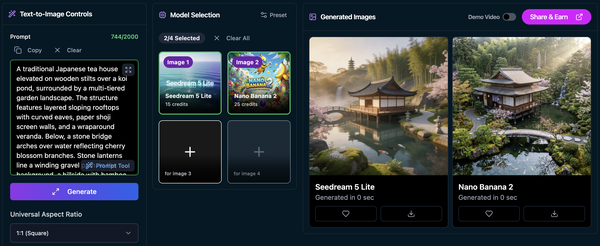
AI Compare Hub’s Text-to-Image workspace with two models running in parallel
Text-to-Image Comparison: 7 Creative Themes
Theme 1: Portrait Photography
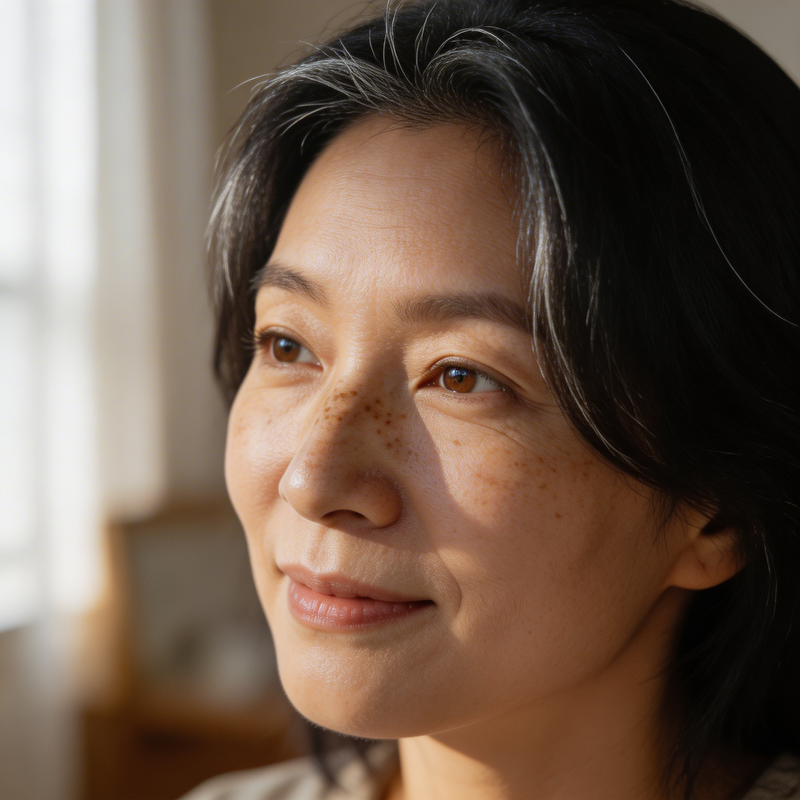
Prompt: “A studio portrait of a young woman with soft side lighting, natural skin texture, and a neutral background”
Nano Banana 2 delivered a noticeably more detailed result — skin texture, micro-highlight definition, and background-to-subject separation were rendered with meticulous precision. Seedream 5.0 Lite produced a pleasing portrait with warmer tones and a painterly quality to the highlights, but lacked the granular skin-detail control that Nano Banana 2 demonstrated.
Seedream 5.0 Lite | 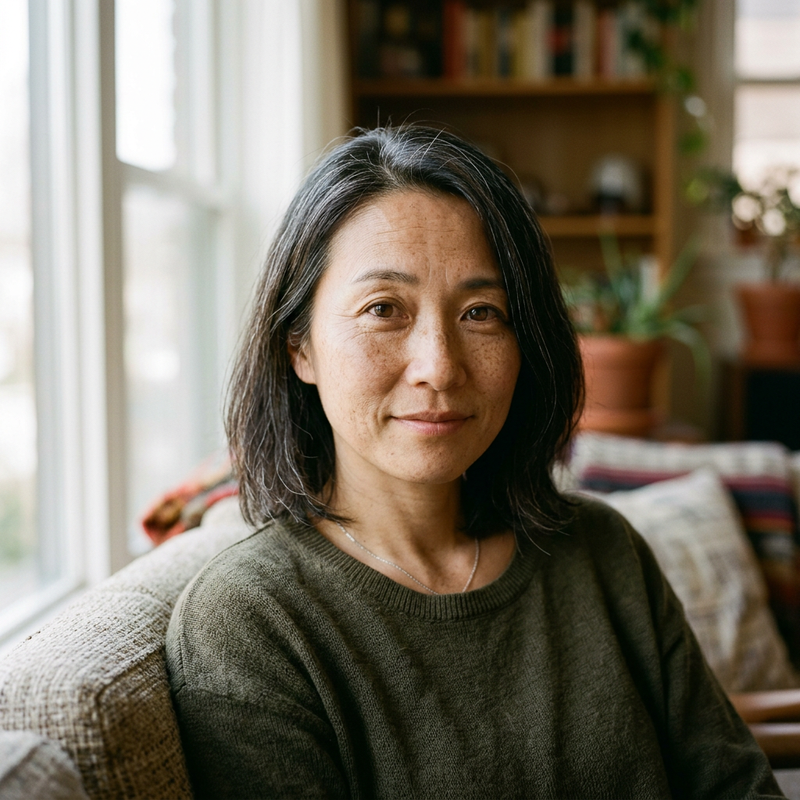
Nano Banana 2 |
Theme 1: Portrait Photography — Seedream 5.0 Lite (left) vs. Nano Banana 2 (right)
Theme 2: Cinematic Scene
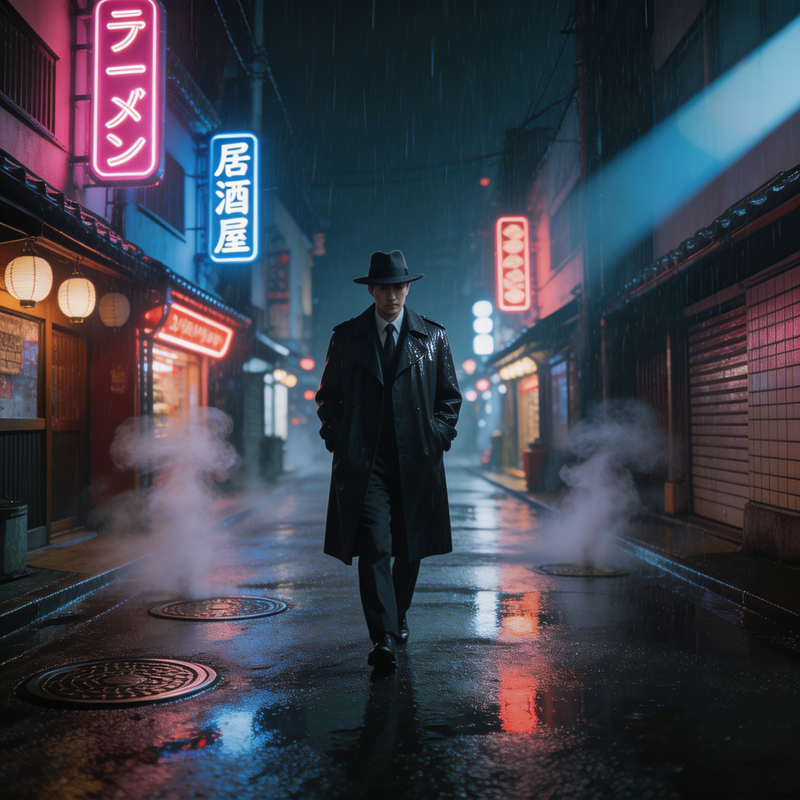
Prompt: “A wide cinematic shot of a lone figure walking through a misty forest at dawn, golden light filtering through the trees”
The sharpest difference in this theme was text rendering. Nano Banana 2 rendered any text elements within the scene with proper, legible letterforms. Beyond text, Nano Banana 2 also showed stronger environmental coherence: fog layering, golden light rays, and atmospheric depth felt physically grounded.
Seedream 5.0 Lite | 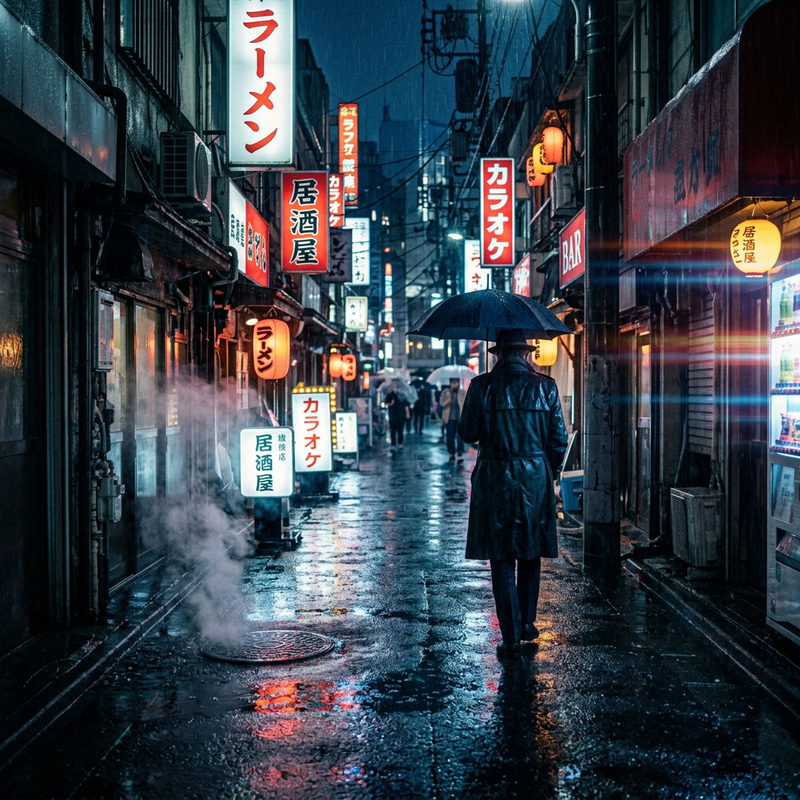
Nano Banana 2 |
Theme 2: Cinematic Scene — Seedream 5.0 Lite (left) vs. Nano Banana 2 (right)
Theme 3: Architecture
Prompt: “A minimalist modern house with floor-to-ceiling windows, surrounded by a pine forest, overcast light”
Nano Banana 2 demonstrated meticulous structural control — window frames, roof overhangs, material surface contrasts, and the boundary between building and forest all rendered with precision. Seedream 5.0 Lite’s version was aesthetically appealing, but structural edges were noticeably softer and material definition less controlled.

Seedream 5.0 Lite | 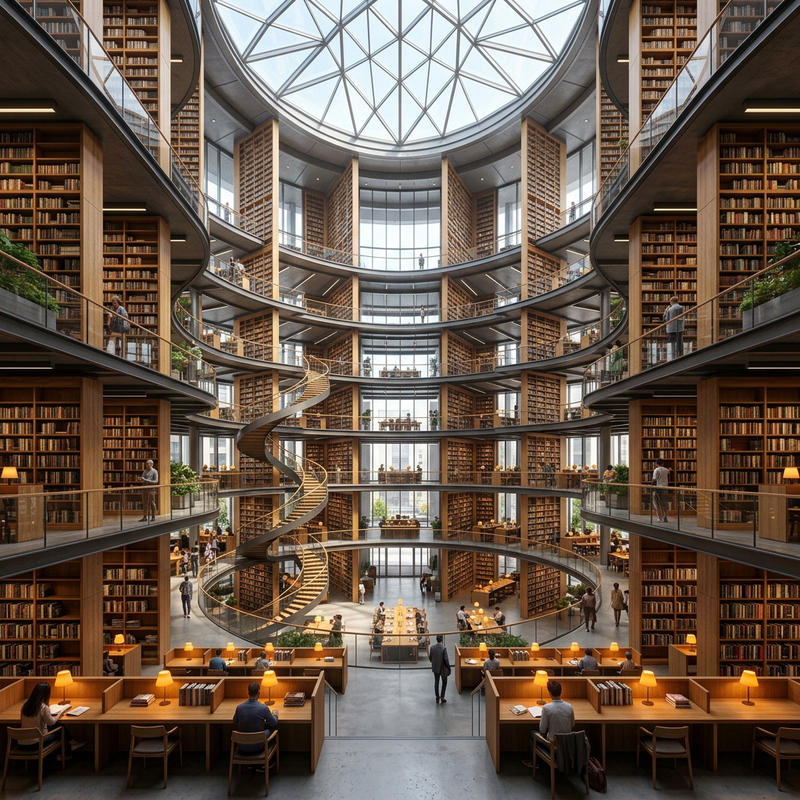
Nano Banana 2 |
Theme 3: Architecture — Seedream 5.0 Lite (left) vs. Nano Banana 2 (right)
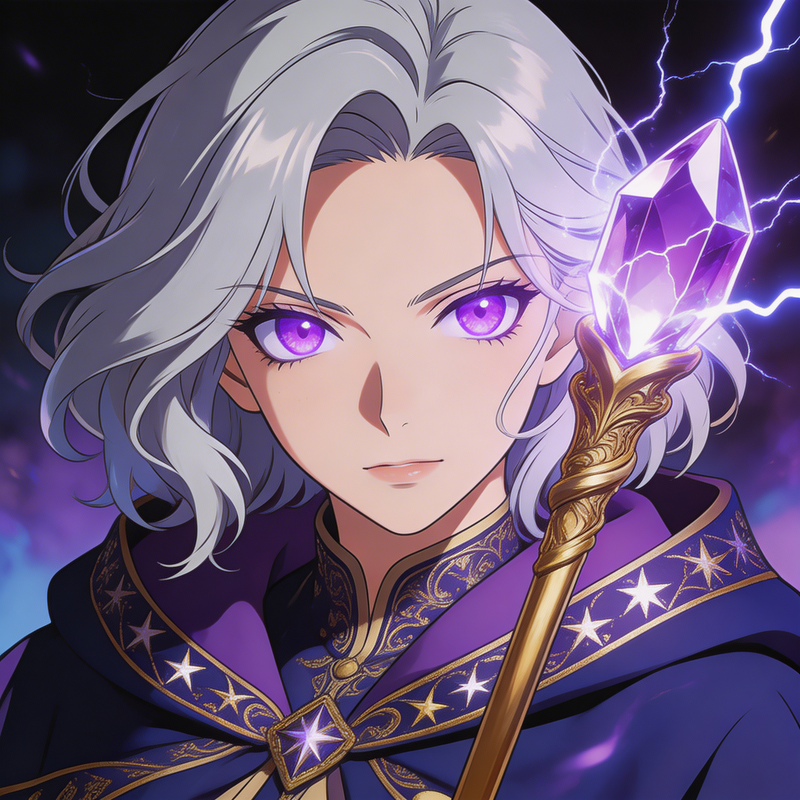
Theme 4: Anime Portrait
Prompt: “An anime-style portrait of a silver-haired warrior with glowing purple eyes, detailed armor, stormy sky background”
Nano Banana 2 delivered a highly detailed result — individual armor segments, surface etching patterns, hair strand separation, and atmospheric layering all rendered with meticulous care. Seedream 5.0 Lite produced a stylistically strong anime portrait but the density of rendered detail and precision of individual elements were both lower.
Seedream 5.0 Lite | 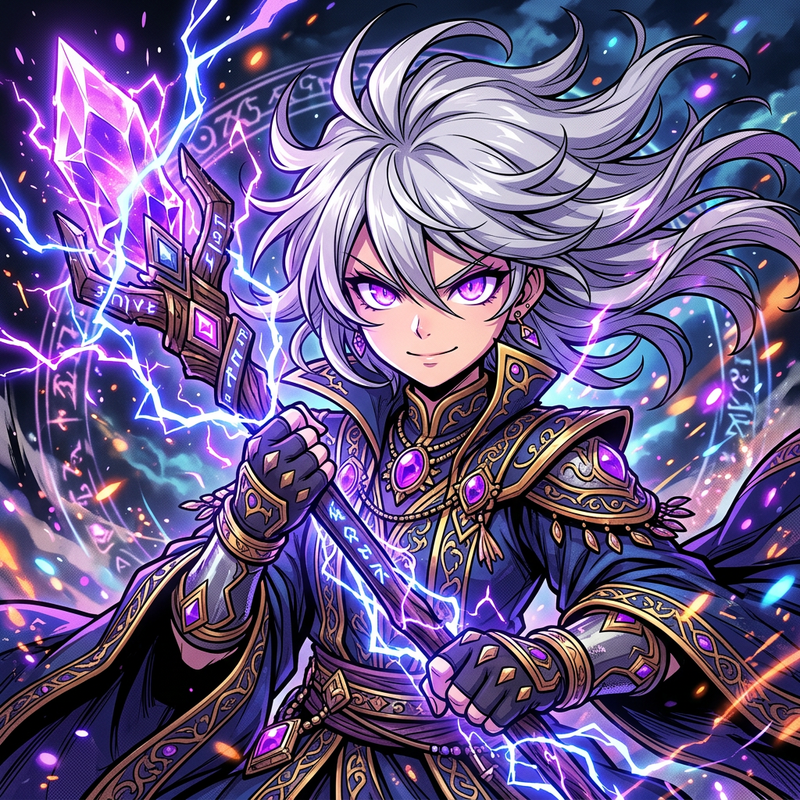
Nano Banana 2 |
Theme 4: Anime Portrait — Seedream 5.0 Lite (left) vs. Nano Banana 2 (right)
Theme 5: Anime Scene
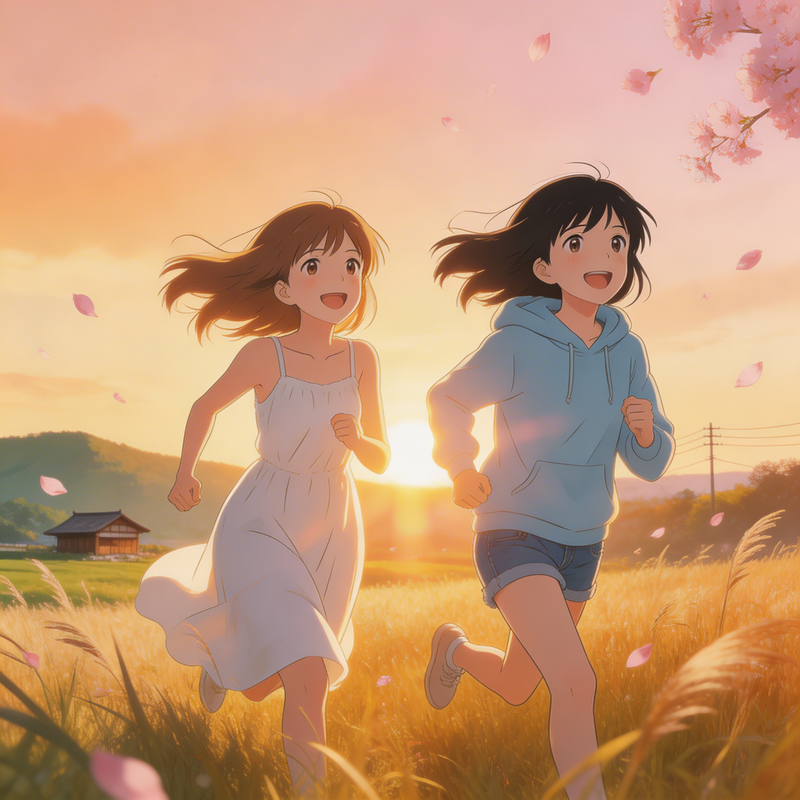
Prompt: “Two anime characters running through a sunlit meadow with wildflowers, countryside in the background, cel-shaded style”
Nano Banana 2 showed richer environmental detail — individual wildflower rendering, background countryside layering, and character line separation all demonstrated higher meticulous control. Seedream 5.0 Lite’s cel-shading was stylistically clean but Nano Banana 2’s output had greater fidelity to the scene’s detail requirements.
Seedream 5.0 Lite | 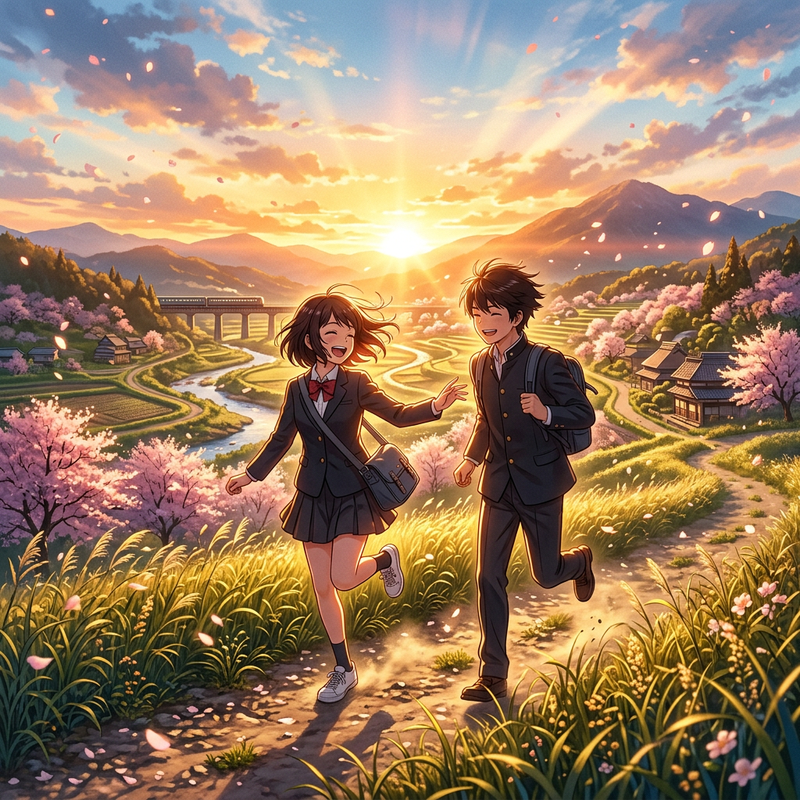
Nano Banana 2 |
Theme 5: Anime Scene — Seedream 5.0 Lite (left) vs. Nano Banana 2 (right)
Theme 6: Chinese Characters Graphic Design
Prompt: “A bold editorial poster design featuring the Chinese characters 未来 (Future) in large brushstroke calligraphy, accompanied by the English subtitle ‘The Future of AI’ in clean sans-serif typography. Deep navy background, gold ink for the Chinese characters, white for the English text. Minimalist layout with geometric line accents, print-ready graphic design style.”
Both models produced a strong result but with different approaches. Seedream 5.0 Lite rendered the 未来 characters in centered brushstroke calligraphy on navy, with “The Future of AI” cleanly below — a minimal, editorial composition that leaned into its 99%+ Chinese text accuracy. Nano Banana 2 built a more elaborate poster with geometric frames and diamond-pattern accents. Seedream favored typographic clarity; NB2 pushed toward graphic complexity. Both were print-ready.

Seedream 5.0 Lite | 
Nano Banana 2 |
Theme 6: Chinese Characters Graphic Design — Seedream 5.0 Lite (left) vs. Nano Banana 2 (right)
Theme 7: Complex Architecture — Multi-layered Japanese Garden
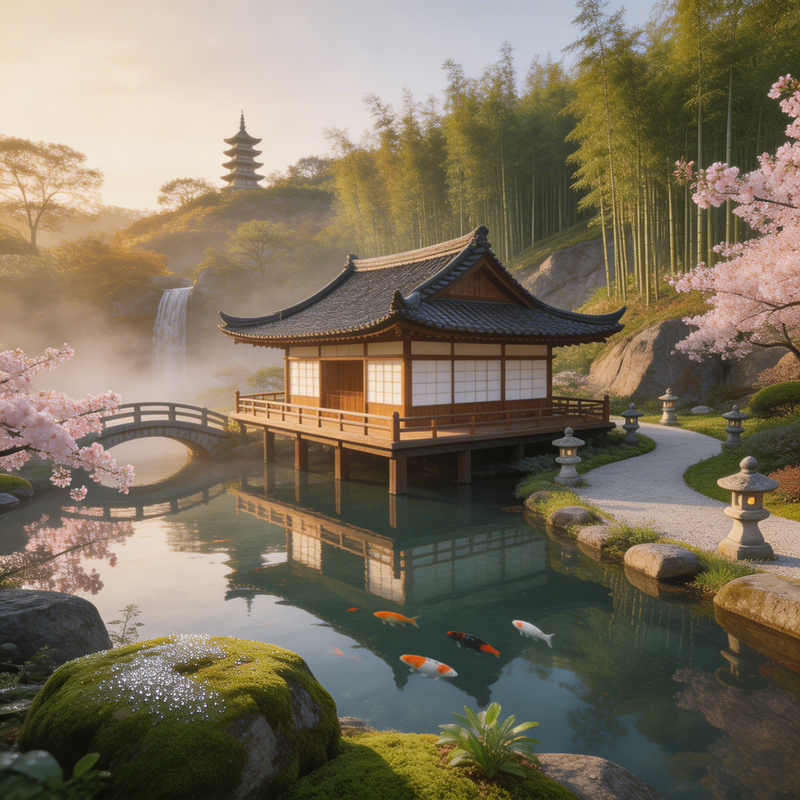
Prompt: “A traditional Japanese tea house elevated on wooden stilts over a koi pond, surrounded by a multi-tiered garden landscape. Layered sloping rooftops, paper shoji screen walls, a wraparound veranda, a stone bridge reflecting cherry blossoms, stone lanterns on a winding gravel path. Background: bamboo groves, a pagoda, and a waterfall. Foreground: flat stones, moss-covered rocks, koi fish visible beneath the surface. Dawn lighting, golden light piercing through mist, photorealistic ultra-detailed aerial-perspective composition.”
This theme was designed to test how well each model handles a dense, multi-element prompt with over eight simultaneous spatial requirements. This is where Seedream 5.0 Lite’s Chain of Thought visual reasoning becomes a clear advantage: given a detailed, structured prompt, it coordinated all spatial relationships — foreground elements, mid-layer architecture, and background depth — into a coherent atmospheric scene with golden dawn mist and layered reflections. Nano Banana 2 delivered a photorealistic, hyper-detailed result — lush garden elements rendered with meticulous precision, koi clearly visible in the water. The key takeaway: Seedream 5.0 Lite shines when you give it a detailed prompt. With thorough scene specification, it produces results that rival or match NB2 at a significantly lower cost.
Seedream 5.0 Lite | 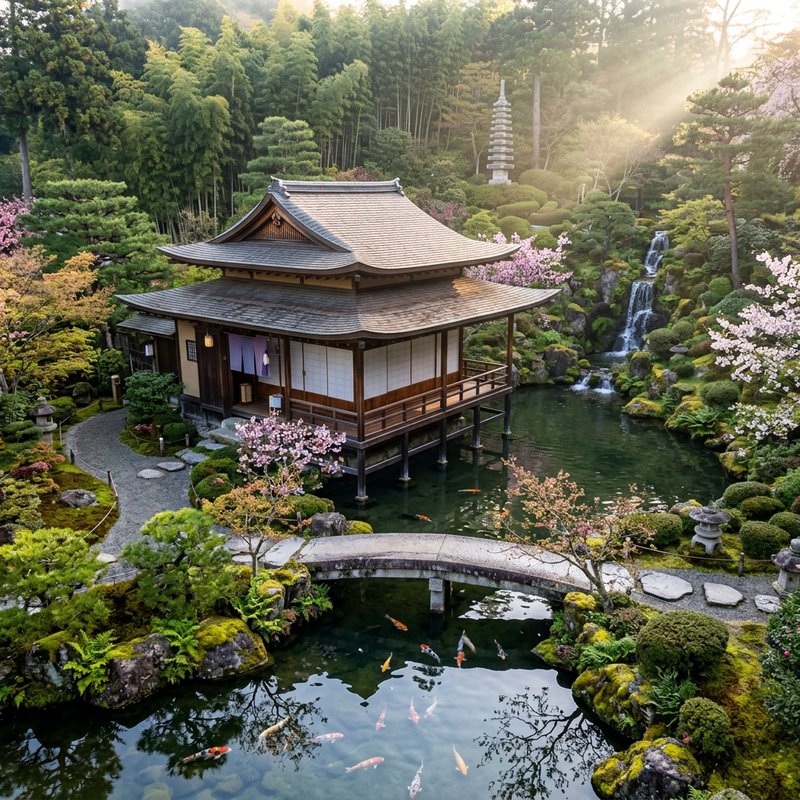
Nano Banana 2 |
Theme 7: Complex Multi-layered Architecture — Seedream 5.0 Lite (left) vs. Nano Banana 2 (right)
Image-to-Image Comparison: 4 Transformation Themes
AI Compare Hub’s Image-to-Image workspace allows you to upload a reference image and transform it using a model of your choice. For this comparison, I used a consistent neutral seed image as the foundation — a photorealistic image of a young woman sitting at a cafe table.
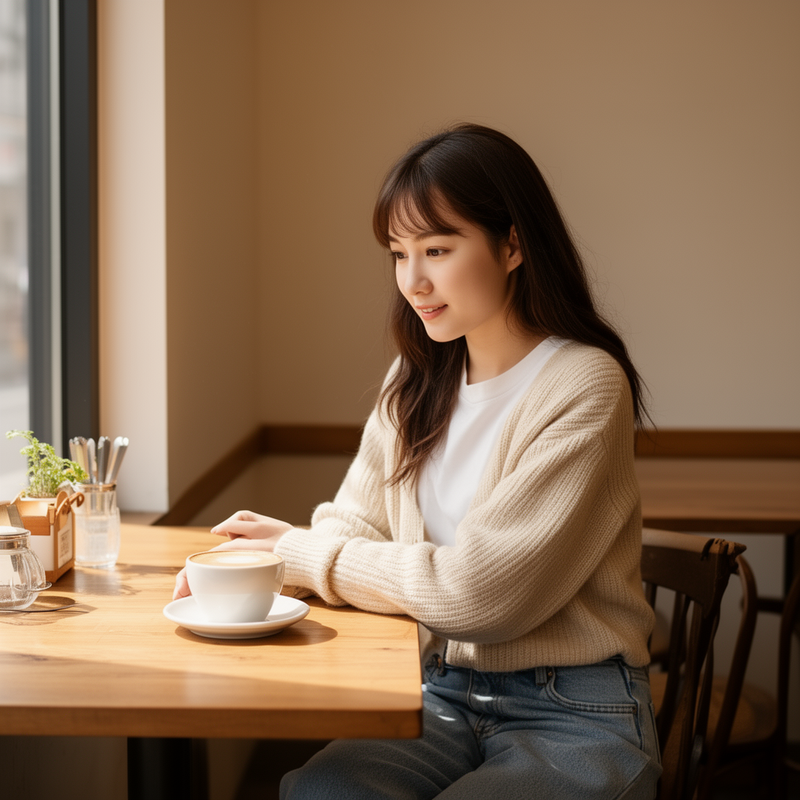
Seed image used for all Image-to-Image transformations (generated with Flux 2 Dev)
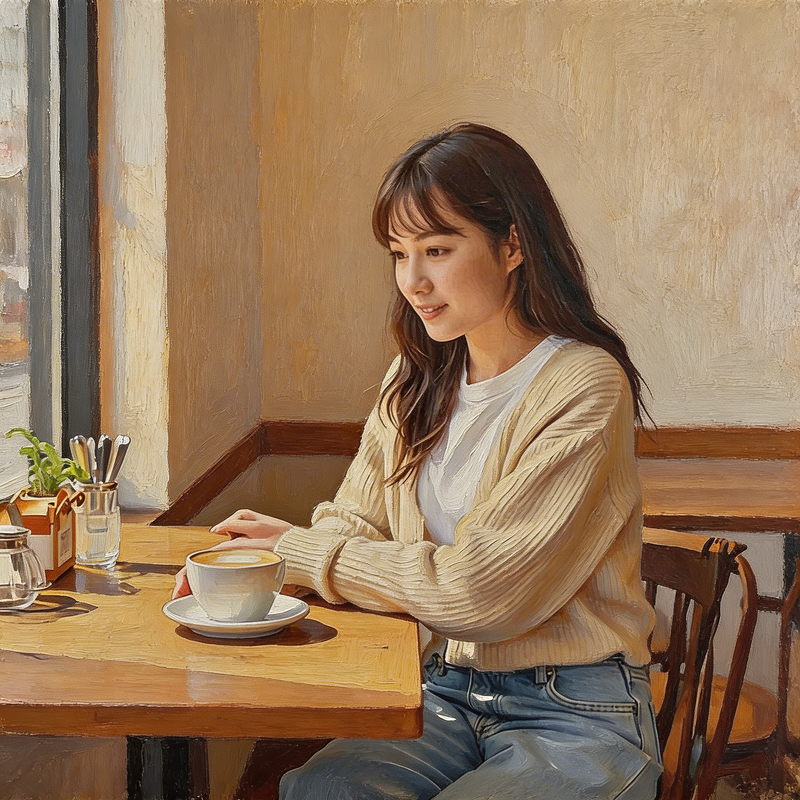
Theme 1: Style Transfer — Impressionist Oil Painting
Prompt: “Transform to impressionist oil painting style, with visible brushstrokes, rich textures, and vibrant warm colors”
Seedream 5.0 Lite’s output leaned toward a photorealistic interpretation — warm in tone but retaining much of the photographic quality of the source image rather than fully committing to impressionist style. Nano Banana 2 moved more convincingly into painting territory, applying broader color fields and visible paint-like surface treatment that read more consistently as impressionist work. For style transfer that demands a strong departure from photorealism, Nano Banana 2 better delivered on the brief.
Seedream 5.0 Lite | 
Nano Banana 2 |
Style Transfer — Seedream 5.0 Lite (left) vs. Nano Banana 2 (right)
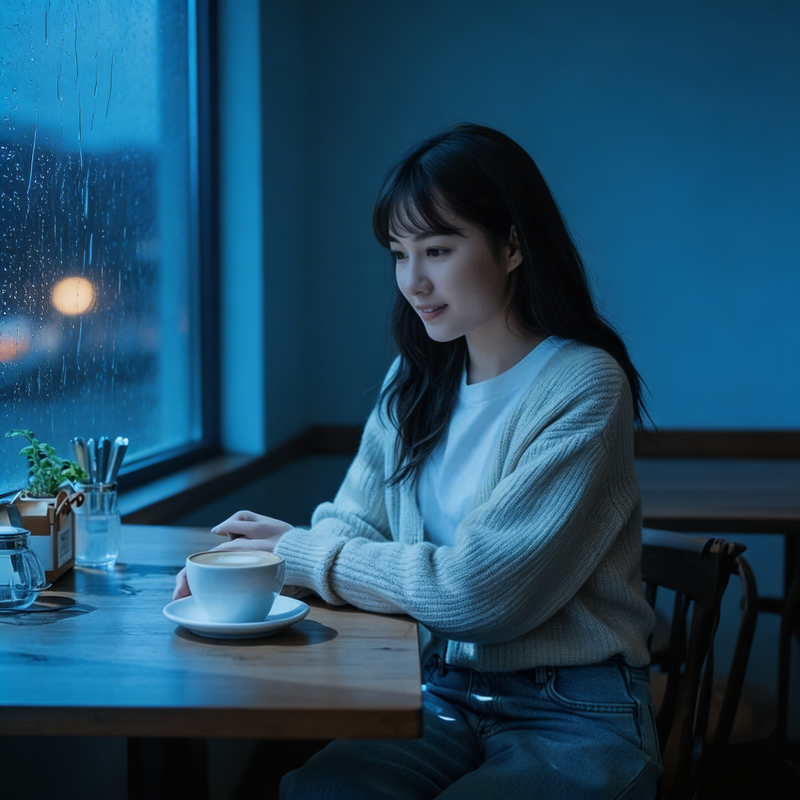
Theme 2: Mood Regrading — Rainy Evening
Prompt: “Change the mood and lighting to a moody rainy evening atmosphere, with cool blue tones, soft rain on windows, and dim ambient light”
Both models executed this well, but Nano Banana 2 showed a particularly impressive result — rain streaks on the window were physically accurate, and the blue color grading maintained the character’s skin tone contrast without going muddy. Seedream 5.0 Lite’s version was atmospheric but slightly more diffuse.
Seedream 5.0 Lite | 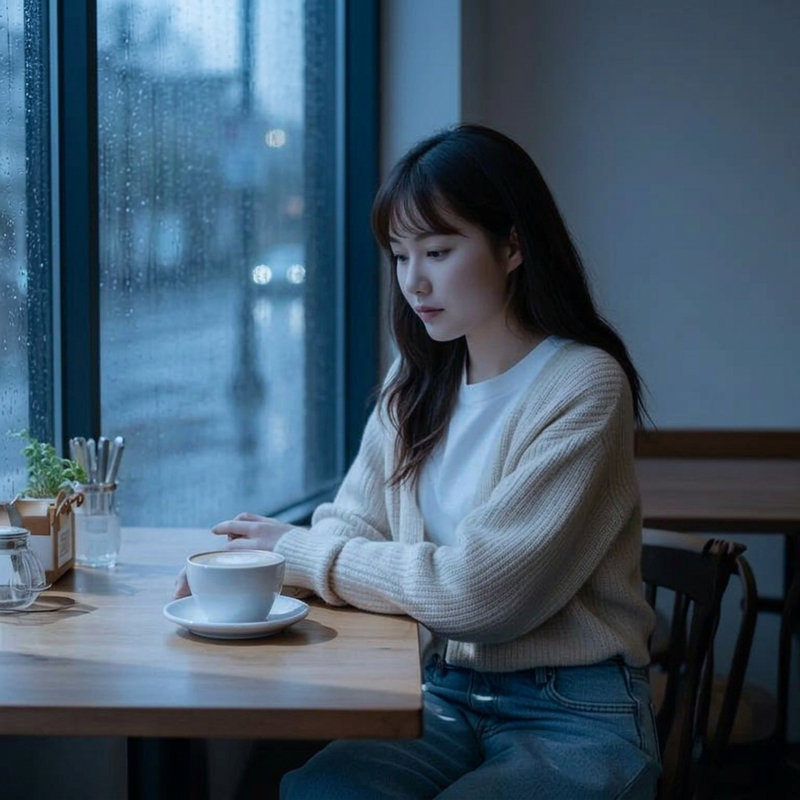
Nano Banana 2 |
Mood Regrading — Seedream 5.0 Lite (left) vs. Nano Banana 2 (right)
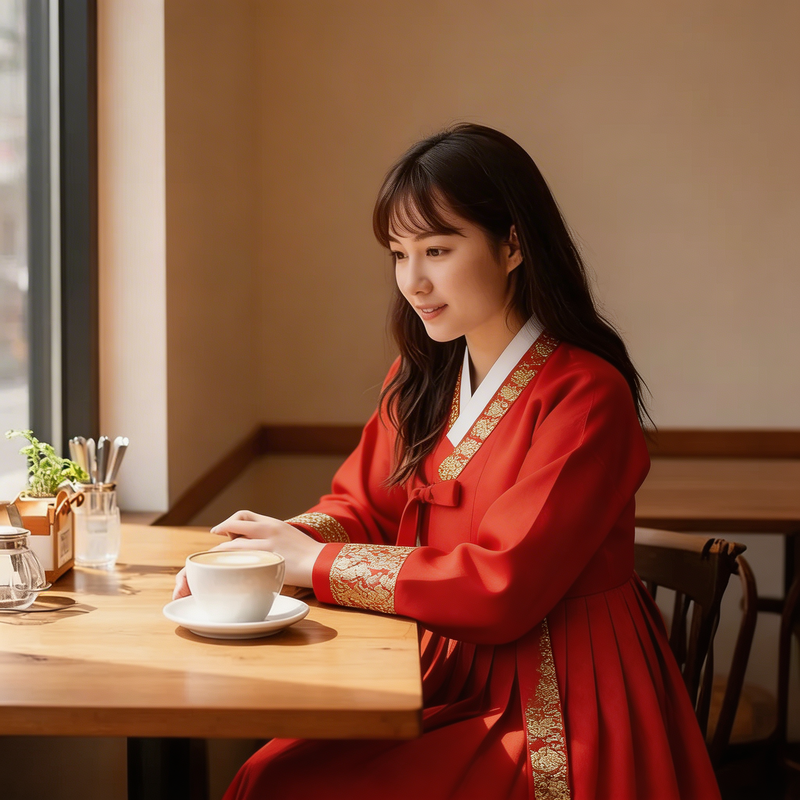
Theme 3: Character Detail Edit — Traditional Korean Hanbok
Prompt: “Change the character’s outfit to an elegant red traditional Korean hanbok with gold embroidery details, keeping the same facial features and pose”
Nano Banana 2 maintained the character’s facial structure, expression, and pose with strong fidelity while rendering the hanbok embroidery patterns with meticulous detail. Seedream 5.0 Lite produced a visually beautiful transformation but showed minor drift in facial proportions.
Seedream 5.0 Lite | 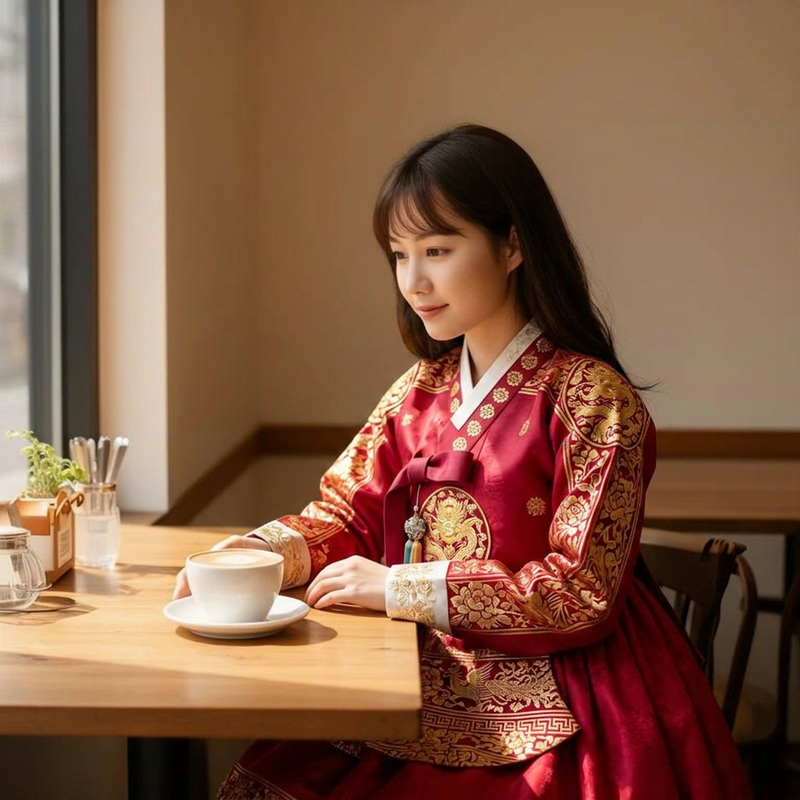
Nano Banana 2 |
Character Detail Edit — Seedream 5.0 Lite (left) vs. Nano Banana 2 (right)
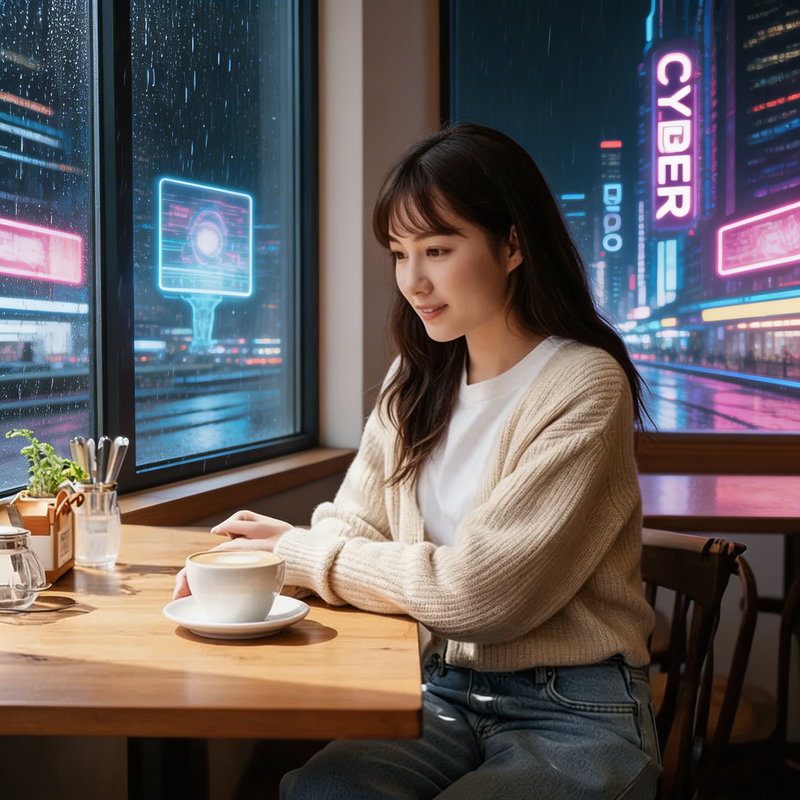
Theme 4: Environment Swap — Cyberpunk City
Prompt: “Swap the background environment to a futuristic cyberpunk city at night, with neon lights, rain-slicked streets, and holographic advertisements visible through the window”
Both models delivered striking results. Nano Banana 2’s cyberpunk background felt like a photograph of a real city — the neon signage contained readable text, consistent with its Google Search grounding. Seedream 5.0 Lite’s version was more stylized and dramatic, with stronger compositional contrast between the character and the background.
Seedream 5.0 Lite | 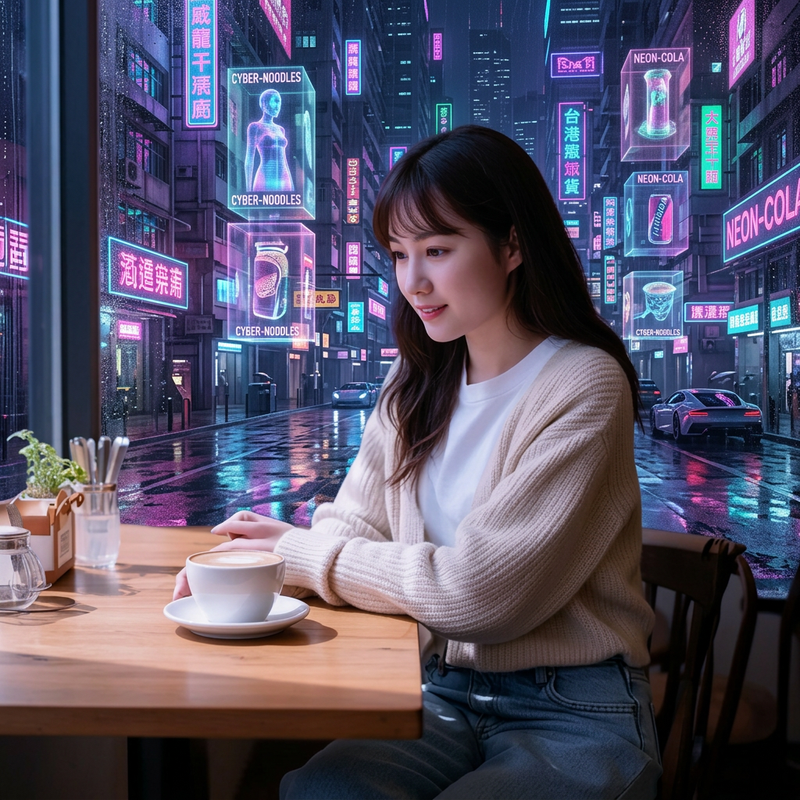
Nano Banana 2 |
Environment Swap — Seedream 5.0 Lite (left) vs. Nano Banana 2 (right)
Final Verdict
After running both models through eleven distinct challenges, it’s clear that these two models serve different primary needs — but there’s a meaningful overlap zone where Seedream 5.0 Lite outperforms expectations.
Nano Banana 2 is the more all-round performer. Its Google Search and Image Search grounding, 4K output, and meticulous detail control make it the safe default for production work, character-consistent projects, and any task where real-world accuracy matters.
Seedream 5.0 Lite’s strengths come in two specific areas: cost and detailed-prompt performance. On the cost side, it’s generally 30–70% more affordable than Nano Banana 2. On the quality side, its Chain of Thought reasoning means that when you provide a thorough, well-structured prompt, it can match or rival Nano Banana 2’s output at a fraction of the price. Theme 7 demonstrated this directly.
Choose Seedream 5.0 Lite when:
- Cost efficiency matters — its flat rate is generally 30–70% lower than Nano Banana 2
- You’re working with detailed prompts — more specificity unlocks better output from Seedream’s reasoning engine
- Bilingual content is part of the workflow (English and Chinese at 99%+ accuracy)
- You’re running high-volume ideation rounds and need consistent cost control
Choose Nano Banana 2 when:
- You need consistent, high-quality results across diverse prompts without extra prompt engineering
- Real-world factual grounding and Google Search accuracy are important
- You’re doing character-consistent work across multiple images
- 4K output or meticulous detail control is required for production delivery
The most effective approach on AI Compare Hub is to use both together: run Seedream 5.0 Lite with well-crafted prompts for cost-efficient ideation, and bring in Nano Banana 2 when the brief demands polish, precision, or 4K resolution.
Frequently Asked Questions
What is the main difference between Seedream 5.0 Lite and Nano Banana 2?
Nano Banana 2 is the more all-round model — stronger at producing detailed, precise outputs across a wide range of prompts, with Google Search and Image Search grounding, and a flexible resolution range from 0.5K to 4K. Seedream 5.0 Lite’s advantages are cost efficiency (generally 30–70% cheaper at equivalent resolutions) and Chain of Thought visual reasoning that delivers significantly better results when you provide detailed, well-structured prompts. Both support up to 14 reference images and web search grounding.
Can Seedream 5.0 Lite match Nano Banana 2’s output quality?
Yes — with the right prompts. Seedream 5.0 Lite’s Chain of Thought reasoning means detailed, well-specified prompts unlock substantially better output. In our complex architecture theme (Theme 7), Seedream produced a result that matched NB2’s quality at a significantly lower cost. For simple or vague prompts, NB2 has the edge. For thorough, structured prompts, the gap narrows considerably.
Can I use both models together on AI Compare Hub?
Yes. AI Compare Hub’s Text-to-Image workspace supports up to four models simultaneously on the same prompt, so you can run Seedream 5.0 Lite and Nano Banana 2 side by side in real time. This makes it easy to judge whether Seedream’s output on a given prompt matches NB2’s, so you can make a cost-informed decision on which to use for final production.
What does Nano Banana 2’s Google Image Search grounding do?
When Image Search grounding is enabled, Nano Banana 2 uses Google Image Search as a visual reference layer alongside web search — anchoring outputs to real visual references, not just text descriptions. Image search activates automatically when web search is enabled.
Which model is better for bilingual or Chinese-language content?
Seedream 5.0 Lite. Built by ByteDance, it achieves 99%+ text rendering accuracy for both English and Chinese — making it the stronger choice for bilingual poster design and any workflow requiring accurate Chinese character rendering. This showed clearly in our Chinese Characters Graphic Design theme.
Which model is better for high-volume generation?
Seedream 5.0 Lite. Its flat per-image pricing at 2K and 3K is generally 30–70% cheaper than Nano Banana 2, making it significantly more cost-efficient for high-volume workflows. With detailed prompt engineering, you can achieve output quality comparable to NB2 at a fraction of the cost.